
Which Hurts More: Root Canal or Tooth Extraction

Which Hurts More: Root Canal or Tooth Extraction?

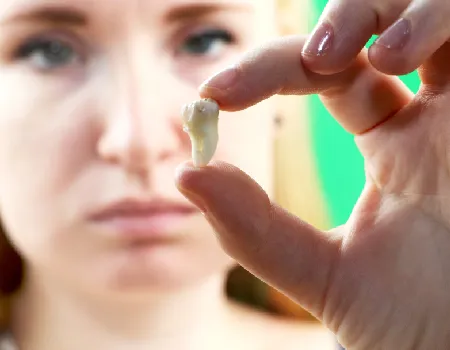
Root canals and tooth extractions are performed with anesthesia, so neither should be painful during treatment. Recovery can involve soreness and discomfort, but a root canal often preserves the natural tooth and may provide relief from severe tooth pain. Dental Arts FL helps patients determine which treatment is appropriate for their condition.

Read More »
How Long Does Tooth Extraction Take to Heal

How Long Does Tooth Extraction Take to Heal?

Tooth extraction typically takes about 1–2 weeks for the gums to heal, while deeper bone healing can take several weeks or longer. Dental Arts FL recommends following aftercare instructions, maintaining gentle oral hygiene, and attending follow-up visits to support proper healing and reduce the risk of complications.

Read More »
Can I Brush My Teeth After Tooth Extraction

Can I Brush My Teeth After Tooth Extraction?

You can usually brush your teeth after a tooth extraction, but avoid the extraction site for the first 24 hours to protect the blood clot. Dental Arts FL recommends gentle brushing, careful rinsing, and following post-extraction instructions to reduce irritation and support proper healing.

Read More »
Do Dental Implants Have Side Effects?

Do Dental Implants Have Side Effects?

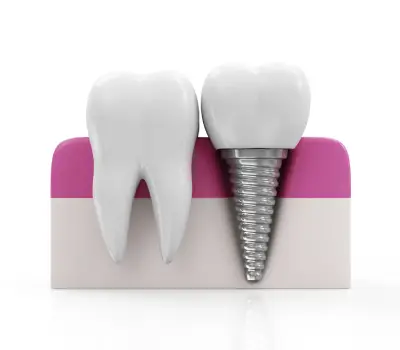
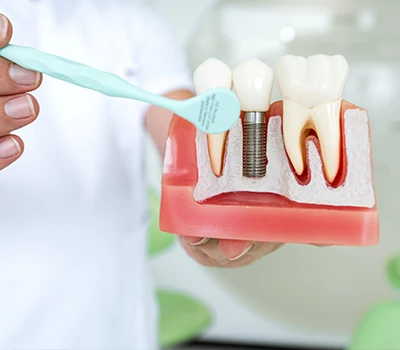
Dental implants can cause temporary side effects such as swelling, discomfort, minor bleeding, and gum sensitivity. Rare complications include infection, implant failure, nerve damage, and sinus issues. Dental Arts of Florida in Jacksonville provides personalized implant care and guidance to help minimize risks and support successful healing.

Read More »
How Many Teeth Can One Implant Replace

How Many Teeth Can One Implant Replace?

A single dental implant can replace one missing tooth, while implant-supported bridges can replace multiple teeth using fewer implants. Dental Arts FL helps Jacksonville patients determine the right number of implants based on the number and location of missing teeth, bone health, bite, and overall treatment goals.

Read More »
Most Popular Cosmetic Dental Procedures

Most Popular Cosmetic Dental Procedures for a Better Smile

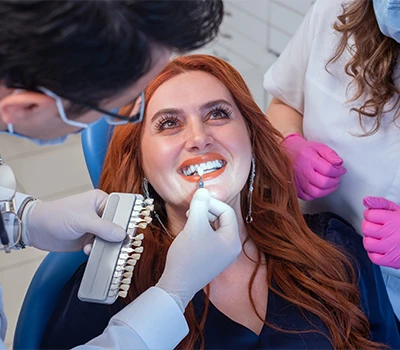
Popular cosmetic dental procedures include teeth whitening, veneers, dental bonding, Invisalign, and smile makeovers. Dental Arts FL helps Jacksonville patients choose treatments based on their smile concerns, goals, and oral health. Cosmetic dentistry can improve tooth color, shape, alignment, and overall smile appearance while maintaining natural-looking results.

Read More »
Porcelain vs. Composite Veneers

Porcelain vs. Composite Veneers: What’s the Difference?

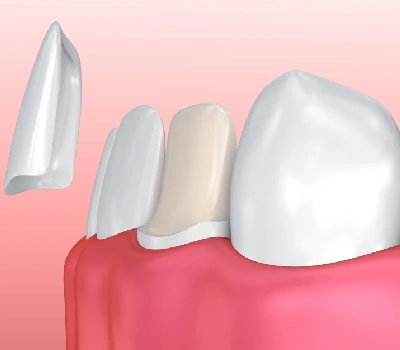
Porcelain and composite veneers can both improve chipped, stained, uneven, or misshapen teeth, but they differ in durability, appearance, cost, and treatment time. Dental Arts FL helps Jacksonville patients compare both options and choose the veneer treatment that best fits their smile goals, budget, and dental needs.

Read More »
Why Do People Get Veneers

Why Do People Get Veneers? Common Reasons and Benefits

People choose veneers to improve the appearance of chipped, stained, misshapen, uneven, or slightly misaligned teeth. Dental Arts FL offers personalized cosmetic treatment to create a more balanced, natural-looking smile. Veneers can provide a durable solution for patients seeking noticeable smile improvements with minimal tooth alteration.

Read More »
Success Rate of Dental Implants

What Is the Success Rate of Dental Implants?

Dental implants have a success rate often exceeding 95% in healthy patients when properly placed and maintained. Dental Arts FL explains how factors such as bone quality, oral hygiene, surgical technique, smoking, and overall health can affect implant success and long-term stability.

Read More »
Connection Between Anxiety and Sleep Disorders

Connection Between Anxiety and Sleep Disorders: What to Know

Anxiety can disrupt sleep by making it harder to fall asleep, stay asleep, or achieve restful sleep. Dental Arts FL explains how anxiety and sleep disorders can reinforce each other and why recognizing symptoms early can help patients receive appropriate evaluation and treatment for healthier, more restorative sleep.

Read More »
Depression and Anxiety Lead to Sleep Disorders

Depression and Anxiety Lead to Sleep Disorders: What to Know

Depression and anxiety can contribute to sleep disorders by affecting sleep quality, duration, and nighttime breathing patterns. Dental Arts FL explains the connection between mental health and sleep and how recognizing symptoms can help patients seek appropriate evaluation and treatment for better sleep and overall well-being.

Read More »