Dental Arts of Florida provides comfortable wisdom tooth extraction in Jacksonville, FL, for impacted, painful, infected, crowded, or difficult-to-clean third molars.
Dental Arts of Florida performs routine and complex wisdom tooth extraction procedures in Jacksonville, FL, without requiring patients to visit multiple offices.
Dental Arts of Florida accepts most PPO insurance plans, CareCredit, major payment methods, interest-free financing for up to 12 months, and extended approved-credit options.
Platelet-rich plasma may be placed in the extraction site to encourage faster healing, improve comfort, and lower the risk of dry socket.
Oral sedation helps patients remain calm and comfortable during treatment, with many remembering little or none of the wisdom tooth removal procedure.
Our dentists perform complex extractions in one location and offers oral sedation to reduce anxiety and improve comfort.
Platelet-rich plasma may also be used to support faster healing and reduce the risk of dry socket. Patients receive clear guidance before, during, and after surgery, along with access to weekend appointments, PPO insurance acceptance, CareCredit, and flexible financing options.
Wisdom tooth extractions are common dental procedures performed by dentists all over the country. The surgery can save patients from severe tooth pain and serious infections that pose a significant risk to their health. If you are expecting to undergo wisdom tooth extractions, educating yourself on the procedure should help ease any anxiety.
For the procedure, we prefer oral sedation. It is an important consideration for both patients and our clinic. There are a few reasons why oral sedation is important for this particular procedure. By using oral sedation, the patient can be more comfortable during the procedure, reducing any anticipated stress or anxiety. Second, wisdom teeth are often located in difficult-to-reach areas of the mouth.
This can make the extraction process more difficult and time-consuming. By using oral sedation, the dentist can more easily access the wisdom teeth and extract them more quickly.
With sedation and general anesthesia, patients are very relaxed or asleep during the procedure, which is the main difference from simply receiving local anesthesia. Most patients will have little to no memory of the procedure. It is important to discuss any health issues with the doctor before undergoing any sedation.
The doctor will help you decide which option is best suited for you before any wisdom tooth extractions are performed.
The surgery will remain the same whether it’s a dentist or an oral surgeon performing it. It starts with an incision in the gum tissue, which exposes the tooth that needs to be extracted if it is still impacted. If there is any bone blocking the tooth root, it will be removed. Then the tooth is divided into pieces to make it easier to extract. After the tooth is removed, the site is cleaned thoroughly and stitched up. Gauze is then placed over the extraction site to help control any bleeding.
After the surgery is over, recovery begins. Some bleeding, swelling and pain is expected and should be monitored closely. The mouth is full of bacteria and is prone to infections. Keeping the wound clean and closed is vital in recovery.
If you find yourself anxious before your wisdom tooth extractions surgery, take the time to ask your dentist any questions you may have. They are professionals, and while the surgery isn’t much fun, they don’t want you to come away from the procedure with a poor experience.
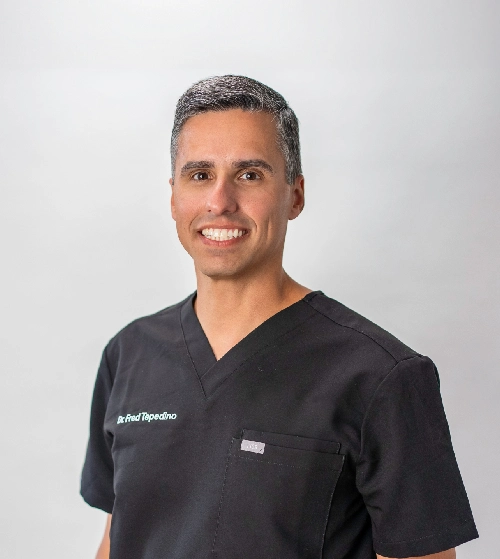
Dr. Fred Tepedino comes from a long line of dentists spanning four generations. He received his Doctorate in Dental Medicine from Nova Southeastern University and graduated with Honors in Periodontology. Always furthering his education and abilities, Dr. Tepedino continued his surgical training to achieve a Fellowship with The International Dental Implant Association and training in Advanced Alveolar Reconstruction.
Taking the time to listen to his patients and hear their perspective on their oral health and dental needs, Dr. Tepedino establishes trust and rapport with them. Ever a perfectionist, Dr. Tepedino provides a high level of care and skill that truly set his practice apart.
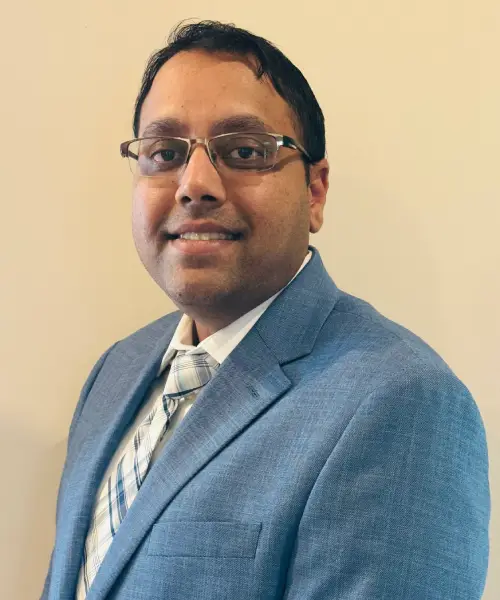
Dr. Patel is a skilled dentist with expertise in general, restorative, and implant dentistry, providing comprehensive care to patients of all ages. After earning his Doctorate in Dental Medicine from The University of Florida in 2009, he completed a residency in General Dentistry at the V.A. Hospital in 2010. His commitment to advanced dental care led him to complete comprehensive training in Implant Dentistry in Augusta, Georgia, in 2018.
With extensive experience in restorative treatments, including dental crowns, implants, and full-mouth rehabilitation, Dr. Patel ensures that every patient receives high-quality, personalized care. He understands that visiting the dentist can cause anxiety and strives to create a comfortable, judgment-free environment where patients feel at ease.
At Dental Arts of Florida, Dr. Patel takes the time to educate patients on their treatment options, providing tailored solutions for restoring function, aesthetics, and oral health. Whether you need a dental crown, implant restoration, or routine dental care, Dr. Patel is dedicated to helping you achieve a healthy and confident smile.
Dental Arts of Florida offers flexible dental financing options in Jacksonville, FL, to help patients manage treatment costs without delaying necessary care.
Our practice accepts Cherry and CareCredit for qualified patients, allowing dental expenses to be divided into more manageable payments. Most Medicare plans are also accepted, and the team helps patients prepare forms to maximize available benefits. Call to check if your insurance/payment method is supported.
Debit & Credit
FSA
Cash
Check
Although not everyone needs to have their wisdom teeth removed, it’s necessary for most individuals. Their wisdom teeth may remain buried in their gums (impacted) if not removed.
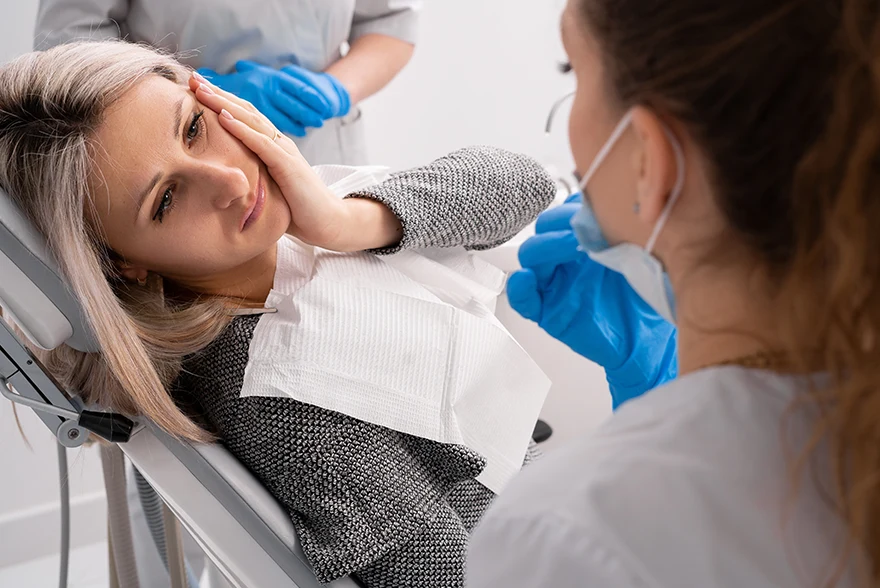
Wisdom teeth that emerge often crowd or damage nearby teeth. Other complications include cysts, gum disease, infection, or pain.
If your wisdom teeth aren’t causing a problem, then it’s okay to leave them in. Impacted wisdom teeth should be pulled because they can shift in ways that impair your ability to open and close your jaw.
Wisdom teeth are hard to keep clean. Bacteria grows on them, putting you at risk for tooth decay.
Our distant ancestors ate hard and rough foods like seeds, nuts, and roots. Their diet made their teeth wear out quicker, so they needed all 32 teeth.
They also needed their wisdom teeth because they didn’t have toothbrushes or floss and their teeth decayed. They had larger jaws than modern humans, leaving adequate room for wisdom teeth.
The wisdom teeth, also called third molars, usually appear during the late teens and early twenties. Wisdom teeth can appear earlier for some people, later for others, and a few individuals don’t have them at all.
The jawbones shrink in people who have had teeth removed. One or more wisdom teeth eventually become visible, and people often erroneously think the teeth are growing as they get older.

Wisdom teeth have emerged in most people by the time they’re 21. They can continue to appear until individuals are 30 years old but are more often impacted by then.
The upper wisdom teeth appear before the lower ones for most people. Generally, men get their wisdom teeth earlier than women do.
Fees for removing wisdom teeth range from around $75 to $250 per tooth or more if the extraction is complicated. The cost of removing an impacted tooth averages $200 – $600, with additional expense if you require general anesthesia.
Other costs include an examination fee, X-rays, local anesthesia, medication, and after-care. Your dental insurance may pay part or all the cost.