
If you’re considering dental implants or already have them, you might be wondering about their impact on your bone health. One common concern is, “Do dental implants cause bone loss?” Although dental implants are designed to replace missing teeth, some worry that they may lead to bone loss over time.
Let us explore “Do dental implants cause bone loss in detail and explain how dental implants actually interact with the jawbone to maintain its strength and health.
What Are Dental Implants?
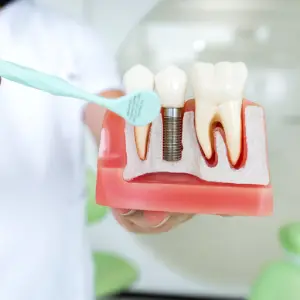
Before answering the question, “Do dental implants cause bone loss?“ it’s important to understand what dental implants are and how they function. A dental implant is a small titanium post placed in your jawbone to replace a missing tooth. Over time, the implant bonds with the jawbone through osseointegration to create a strong and firm foundation for a replacement tooth, such as a crown or bridge.
How Do Dental Implants Work?
Dental implants function the same as natural teeth. They restore a person’s ability to chew and speak. They help preserve bone health. When a tooth is lost, the surrounding bone deteriorates because of a lack of stimulation. Dental implants help prevent it by acting like a tooth root, stimulating the jawbone, and keeping it strong and healthy.
Do Dental Implants Cause Bone Loss?
The answer is no; dental implants generally do not cause bone loss. In fact, they help preserve bone. When you lose a tooth, the bone in that area starts to shrink or deteriorate because it’s no longer being stimulated by the tooth’s root. Dental implants perform as an artificial tooth root that stimulates the jawbone just like a natural tooth. This stimulation maintains bone density and prevents the bone from shrinking over time.
In most cases, dental implants are a long-term solution that actually promotes bone health rather than causing bone loss. However, certain conditions, like poor oral hygiene or infection, lead to bone loss around the implant if not properly cared for.
Can Bone Loss Occur with Dental Implants?
Certain factors can lead to complications and cause bone loss.
Infection
An infection known as Peri-implantitis can develop if the gums around the implant become inflamed due to poor oral hygiene. This infection can damage the surrounding bone and lead to bone loss.
Improper placement or excessive pressure
When the implant is not placed correctly or is under excessive pressure, the surrounding bone may not bond well with it.
Poor Dental Hygiene
External factors such as infection or improper care can cause bone loss. Proper dental practices and regular dental check-ups can minimize the risk of bone loss around implants.
Signs Of Bone Loss Around Dental Implants
It is important to recognize signs of bone loss that may occur around dental implants. Here are some common indicators:
- Gum Recession: The gums around the implant may start to recede, exposing more of the implant or the underlying bone.
- Implant Mobility: If the implant becomes loose or wobbly, it could be a sign that the surrounding bone is weakening.
- Persistent Discomfort: Ongoing pain or discomfort around the implant site, especially after the initial healing period, may indicate bone loss.
- Inflamed or Swollen Gums: Swelling, redness, or inflammation around the implant could signal an infection (peri-implantitis), which can lead to bone loss.
- Changes in Chewing or Biting: If you notice difficulty or discomfort when chewing, it may be due to the implant losing stability from bone loss.
How to Prevent Bone Loss with Dental Implants?
- Choose Implants Early: When you lose a tooth, the jawbone in that area deteriorates. The facial structure can be maintained only with a dental implant.
- Maintain Oral Hygiene: You have to brush regularly, floss, and go for dental checkups to keep your implants healthy. Poor oral hygiene can lead to gum disease, which could affect the surrounding bone and implant stability.
- Monitor for Implant Health: Regular follow-ups with the dentist ensure that your implants are functioning correctly. Early detection of issues like gum recession or infection prevents bone loss.
- Healthy Diet and Lifestyle: Eat a balanced diet full of calcium and vitamin D to keep your bones healthy. Avoid smoking and excessive alcohol to protect your dental implants and overall bone health.
Takeaway
Do dental implants cause bone loss? No, they do not. In fact, they prevent bone loss and preserve jawbone density by mimicking the natural tooth structure. Proper implant placement, good oral care, and regular dental visits are key to preventing bone loss.
Prevent Bone Loss With Dental Implants
At Dental Arts of Florida in Jacksonville, we specialize in providing high-quality dental implants that help preserve your jawbone and restore your smile. Don’t wait to take control of your oral health! New patients can call us at (904) 822-9786, while all other callers can reach us at (904) 998-9820 to schedule an appointment today.
FAQs
Do dental implants last forever?
Dental implants are designed to be a long-term solution for missing teeth, but they may not last forever. With proper oral hygiene, regular dental checkups, and healthy habits, the implant itself can last many years. The crown or other restoration attached to the implant may need replacement over time due to normal wear.
What are the side effects of dental implants?
Some dental implant side effects are temporary and may include soreness, swelling, bruising, or mild bleeding after surgery. Less common complications can include infection, nerve irritation, or implant failure. Following your dentist’s aftercare instructions and attending follow-up visits can help support proper healing.
What is the success rate of dental implants?
The success rate of implants is generally high when treatment is carefully planned and patients follow proper aftercare. Factors such as jawbone health, oral hygiene, smoking, overall health, and regular dental visits can affect implant success. Your dentist can assess your individual risk factors before treatment.
Do dental implants prevent bone loss?
Dental implants stimulate the jawbone and prevent bone loss after tooth extraction.
How soon should I get an implant to prevent bone loss?
It is recommended that a dental implant be obtained as soon as possible after losing a tooth to prevent significant bone loss in the jaw.
Is gum disease related to bone loss with implants?
Gum disease can lead to bone loss around implants. It can be avoided if you maintain oral hygiene and go for regular dental checkups.
